Neuropathy Relief From Numbness, Tingling, and Burning Pain Without Drugs or Surgery
Stop Relying on Gabapentin, Lyrica & Cymbalta, Our FDA-cleared treatment identifies the root cause of your burning, tingling, and numbness so you can finally get your life back
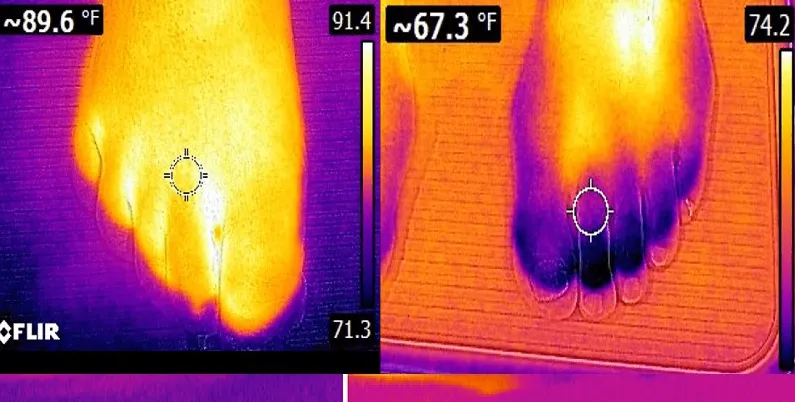
Do Any of These Symptoms Sound Familiar?
Burning or shooting pain in your hands or feet
Constant tingling or numbness
Sharp, pin-like sensations in your fingers or toes
Trouble walking, balancing, or feeling your feet on the ground
Understanding Neuropathy: What It Is and Why It Happens
Peripheral Neuropathy occurs when the nerves—most often in the feet or hands—are damaged or not functioning properly. This damage can interfere with your ability to move, feel, or function normally.
Neuropathy may be caused by diabetes, spinal issues, chemotherapy, past injuries, or—in nearly 30% of cases—no clear cause at all. Symptoms can range from mild tingling or burning to severe, chronic pain that interferes with daily life.
Beyond discomfort, neuropathy often leads to numbness and poor balance, making everyday tasks like walking, driving, or even standing still more difficult—and dangerous.
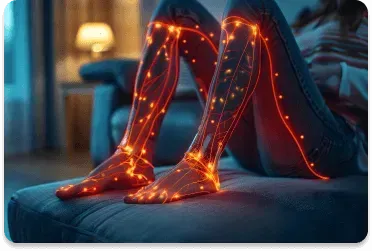
Peripheral neuropathy describes a group of conditions that occur when the nerves responsible for transmitting messages between the brain, spinal cord, and the rest of the body become damaged or inflamed.
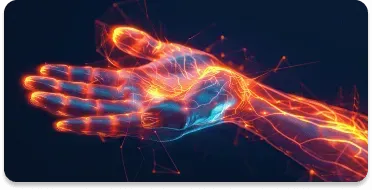
When these nerves are damaged, it can lead to persistent burning, numbness, tingling, chronic pain, and even loss of balance.
Take Control of Your Life—Don’t Let Neuropathy Hold You Back
Even mild symptoms like tingling or occasional numbness can be early warning signs of nerve damage. The sooner you take action, the better your chances of reversing the damage and avoiding long-term complications.
What Causes Peripheral Neuropathy?
Neuropathy isn’t a one-size-fits-all condition. It can show up in many forms, depending on which nerves are affected and what’s causing the damage. At Bettendorf Disc Center, we take the time to identify the root cause so we can build the right plan for you.
Spinal Nerve Compression
Carpal tunnel syndrome (entrapment)
Restricted blood flow
Deteriorating joints
Diabetes – Toxic levels of sugar in the blood (nerve damage linked to diabetes)
Our Approach Is Different—And It Works
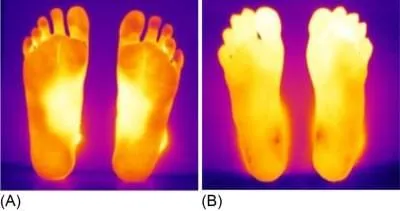
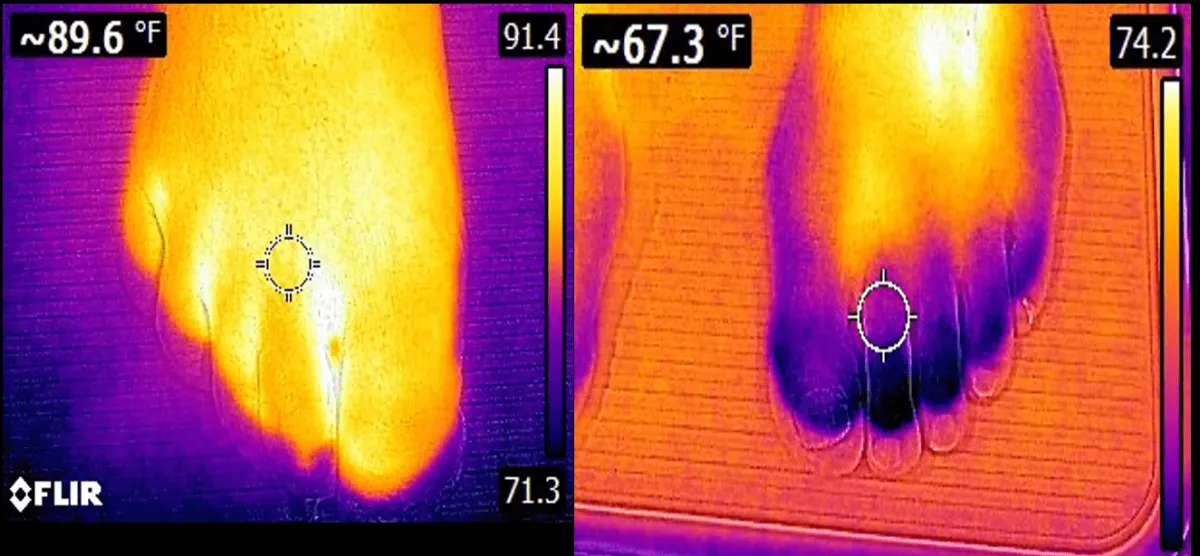
At Bettendorf Disc Center, we don’t just mask symptoms—we focus on fixing the root cause.
If you’re stuck in the cycle of quick visits, prescription refills, and no lasting results, it’s time for something new. Our approach combines advanced diagnostics with non-surgical, drug-free therapies to create a personalized plan built around your body’s needs.
We use technologies like Matrix, Laser, and Shockwave Therapy to restore nerve function, reduce pain, and help your body heal from the inside out.
Don’t wait for things to get worse.
Take the first step with a Neuropathy Evaluation and start your journey back to feeling like yourself again.
📍 Bettendorf, IA | 🩺 Dr. Karen Shoemaker, D.C.
Take the first step with a $27 Neuropathy Evaluation and start your journey back to feeling like yourself again.
📍 Bettendorf, IA
🩺 Dr. Karen Shoemaker, D.C.
Don’t Waste Another Day Struggling with Nerve Pain
FREQUENTLY ASKED QUESTIONS:
What is Peripheral Neuropathy?
Peripheral Neuropathy is a chronic condition that occurs when the nerves in your hands, arms, legs, or feet become damaged or stop functioning properly. It affects over 20 million Americans, often causing pain, numbness, and difficulty with balance or coordination.
Think of your nerves as the electrical wiring of your body. When they’re damaged, the signals between your brain and your limbs are disrupted:
⚡ Your feet and hands can’t “talk” to your brain
⚡ Your brain can’t properly respond to your limbs
This miscommunication can lead to everything from tingling and burning to serious mobility issues.
What Causes Peripheral Neuropathy
Peripheral Neuropathy can be triggered by a wide range of factors—and sometimes, the cause isn’t immediately clear. However, there are several well-known contributors that increase your risk of developing nerve damage:
🍬 Diabetes or Insulin Resistance – Excess sugar in the blood can damage nerves over time
🥗 Poor Diet and Nutrition – Vitamin deficiencies, especially B vitamins, can impact nerve health
🔥 Chronic Inflammation – Long-term inflammation can lead to nerve breakdown
💉 Chemotherapy – Toxic effects from cancer treatments may damage nerve fibers
🛡️ Autoimmune Diseases – Conditions like lupus or rheumatoid arthritis can attack healthy nerves
🚫 Poor Circulation – Reduced blood flow means nerves don’t get the oxygen and nutrients they need
At Bettendorf Disc Center, we work to identify the root cause so we can build the right plan for long-term relief.
What are the symptoms of Peripheral Neuropathy?
Symptoms of peripheral neuropathy can vary from mild to severe—and often worsen over time if left untreated. Common signs include:
🔥 Burning pain in the hands, feet, arms, or legs
⚡ Tingling or “pins and needles” sensations
❄️ Numbness or reduced ability to feel touch or temperature
🦶 Weakness or heaviness in the limbs
⚖️ Poor balance or difficulty walking
🛌 Pain that disrupts sleep or daily activities
If you’re experiencing any of these symptoms, it’s important to get evaluated early to prevent further nerve damage.
How Do We Treat Neuropathy at Bettendorf Disc Center?
At Bettendorf Disc Center, we take a personalized, results-driven approach to treating neuropathy. Rather than masking symptoms with medication, we focus on restoring nerve function and addressing the underlying causes of your discomfort.
Our treatment protocols often include:
1. Advanced Diagnostics
Comprehensive exams and thermal imaging to identify the severity and source of nerve damage
2. Matrix Therapy
A unique modality that helps increase circulation and stimulate cellular repair
3. Laser Therapy
Non-invasive light therapy that reduces inflammation and promotes nerve regeneration
4. Shockwave Therapy
High-energy acoustic waves that trigger healing in damaged tissues and nerves
5. Chiropractic Care
Helps correct misalignments that may contribute to nerve compression or poor function
6. Ongoing Support & Progress Monitoring
We track your improvement and adjust your plan to maximize long-term results
Our goal is to not just relieve your pain—but to help your body heal naturally and restore your quality of life.